Tanjung Puting National Park
Learn about the ecosystem, physical features, flora and fauna, and zonation of the park.
🏔️ Physical Features
The park covers 300,040 hectares (741,100 acres) of flat to undulating terrain (0-100m altitude). The climate classification is Type A/B, with an annual rainfall of around 2,400mm falling mainly between September and February. Average temperatures range from 22°C to 32°C with high humidity.
🌿 Flora & Fauna
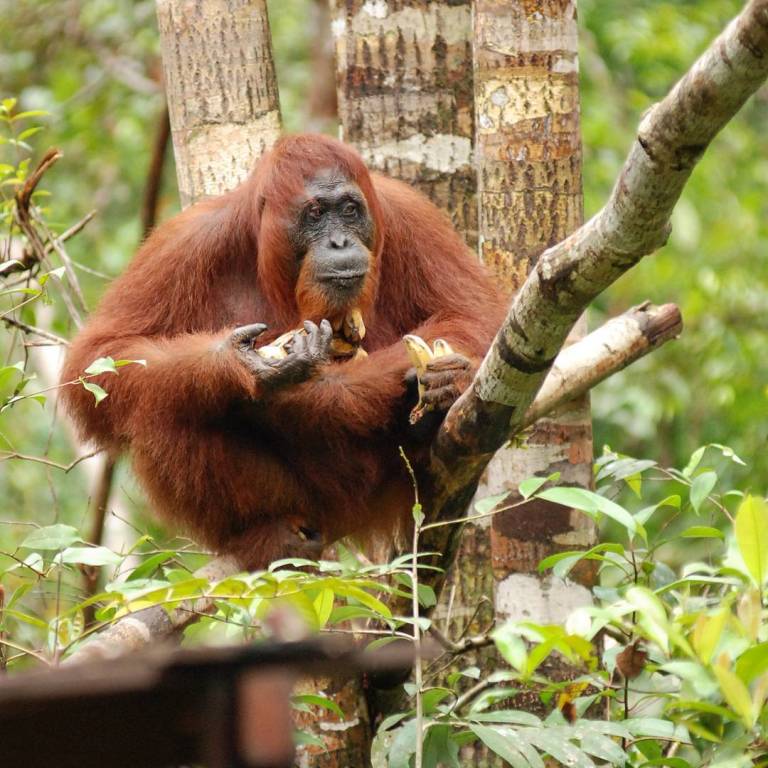
Common trees include valuable species like Ramin, Jelutung, Ironwood (Kayu Besi), Meranti, and Keruing. Riversides are lined with Bakung, Pandans, and Nipah. Wildlife is highly diverse: from wild Bornean Orangutans and endemic Proboscis monkeys to macaques, gibbons, sun bears, estuarine crocodiles, and over 220 species of birds.
🗺️ Three Zonation System
Tanjung Puting National Park is managed under a three-zone system to preserve its fragile environment while welcoming responsible travel.
Key Exploration Stations
Discover the research, rehabilitation, and feeding stations you will visit during the tour.
🦧 Camp Leakey Research & Rehabilitation
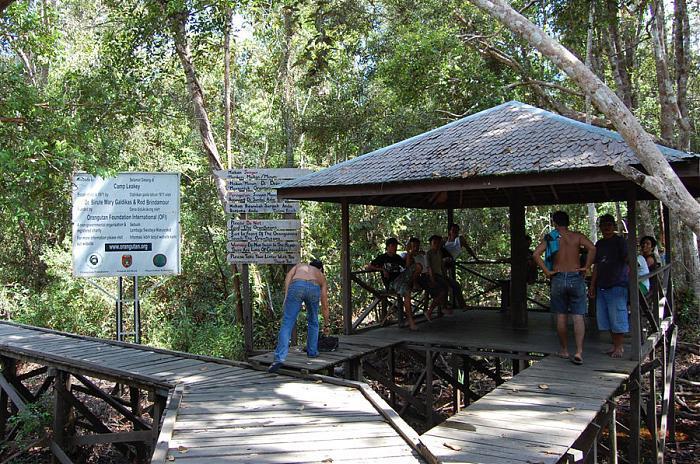
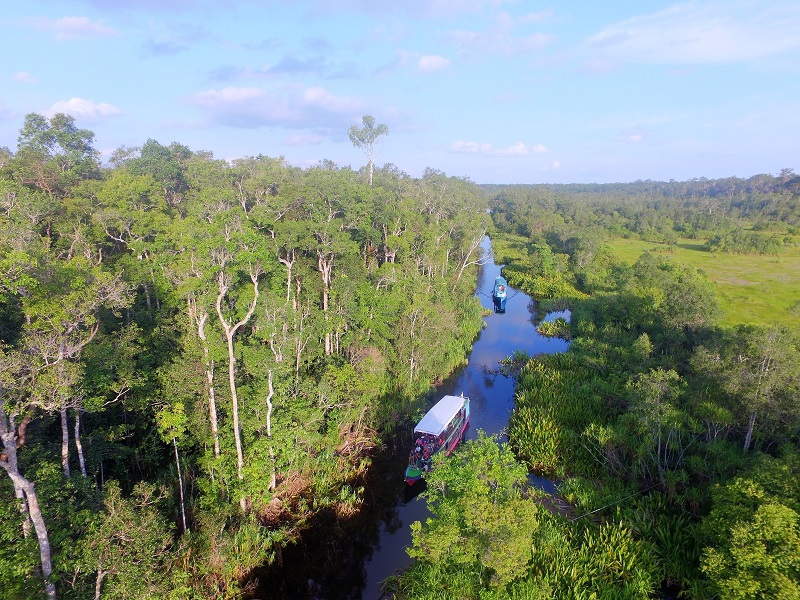
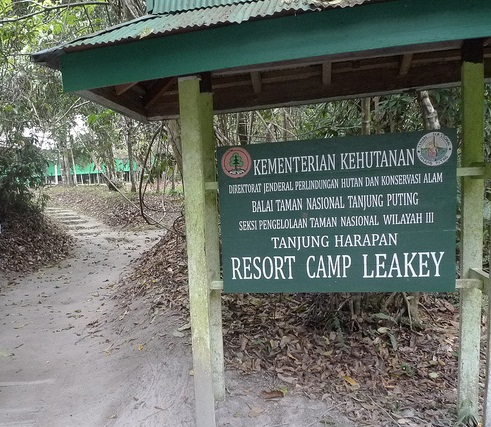
Established in 1971 by Dr. Birute Galdikas and named after her mentor Dr. Louis Leakey, Camp Leakey is a world-renowned center for orangutan research and rehabilitation. Located deep within the park along a stunningly clear, tea-colored blackwater river, it offers visitors a unique look at orangutans in their natural habitat. Explore the information center to learn about orangutan lineages, trek the rainforest trails, and observe the daily feeding session at 14:00.
🌅 Tanjung Harapan Station
Tanjung Harapan was the first guard post constructed in the park in the late 1970s. Originally the site of Sekonyer Village before it was relocated across the river, this station is surrounded by secondary growth forest and acts as an alternate orangutan rehabilitation center. It features visitor facilities and hosting the afternoon feeding program at 15:00, making it an essential introduction to the park's wildlife efforts.
🌿 Pondok Tanggui Rehabilitation
Pondok Tanggui is a rehabilitation center focused on semi-wild and juvenile orangutans, helping them transition back to independence in the wild. Located between Tanjung Harapan and Camp Leakey, Pondok Tanggui allows visitors to take a gentle 20-minute trek through lush forest to watch the morning feeding program at 09:00, offering a wonderful look at young orangutans learning to climb, forage, and interact.
Featured Destinations
Camp Leakey
Pondok Tanggui
Tanjung Harapan
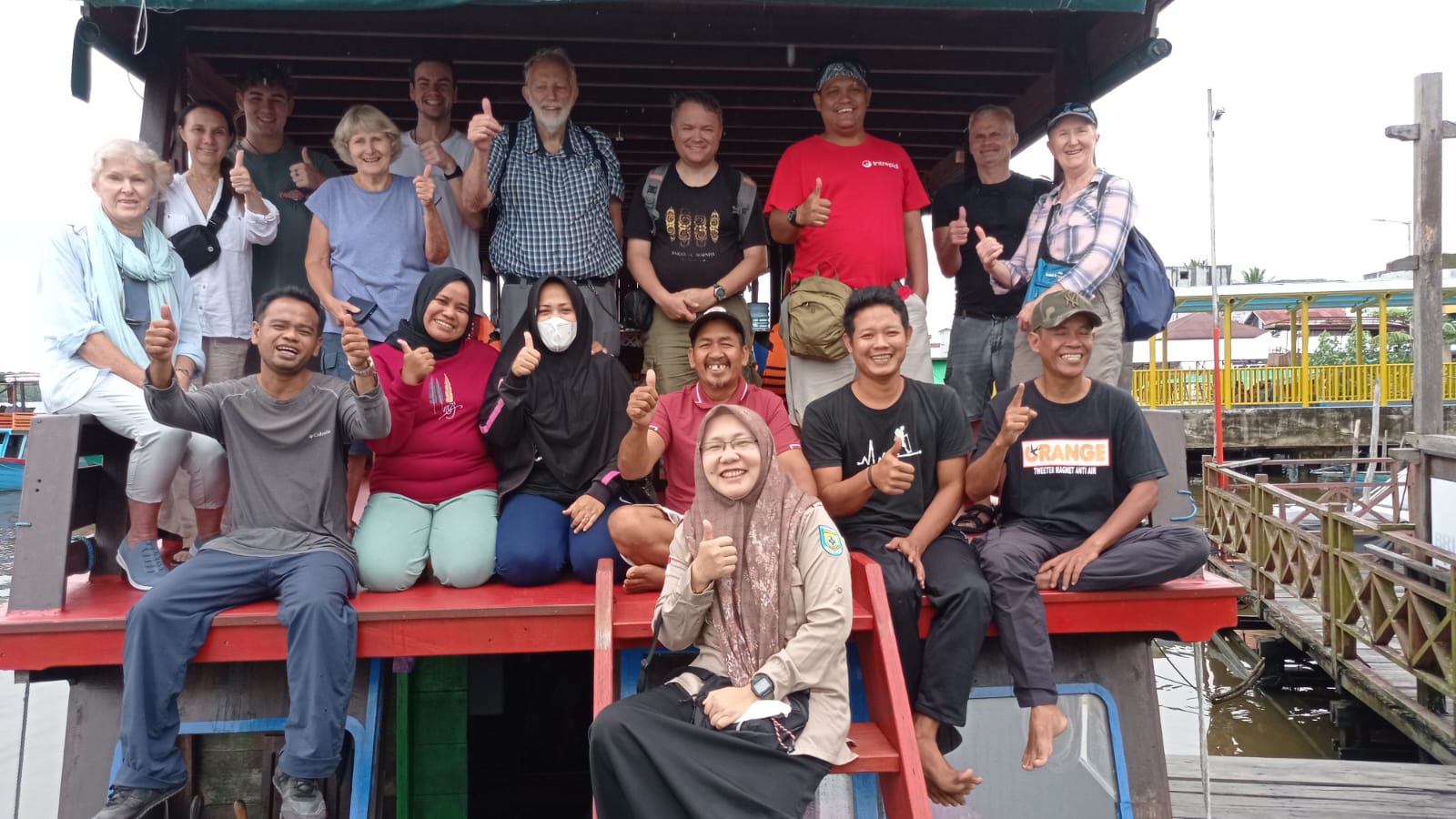
Sekonyer River
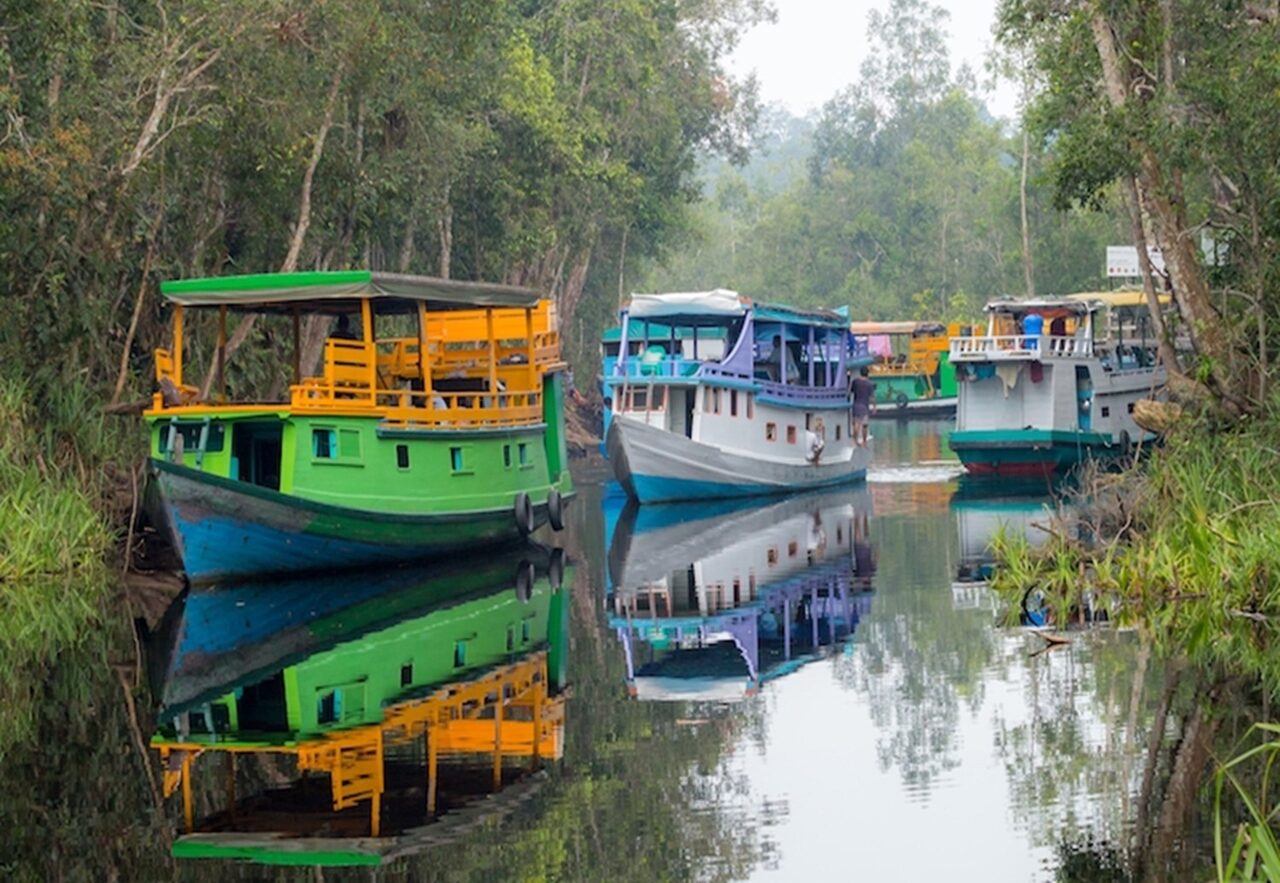
Kumai Harbour
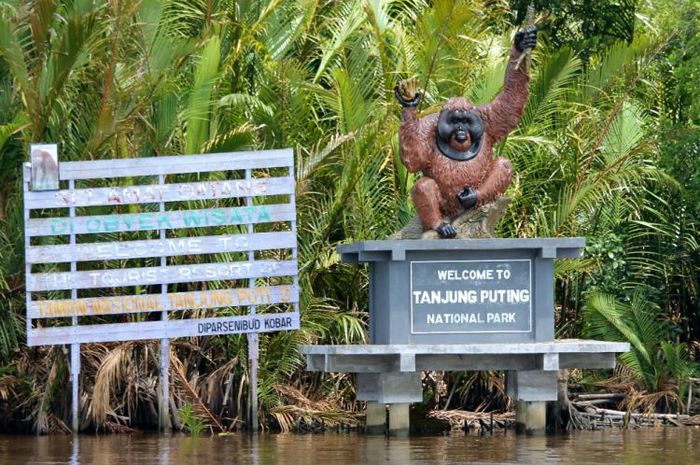
Tanjung Keluang Beach
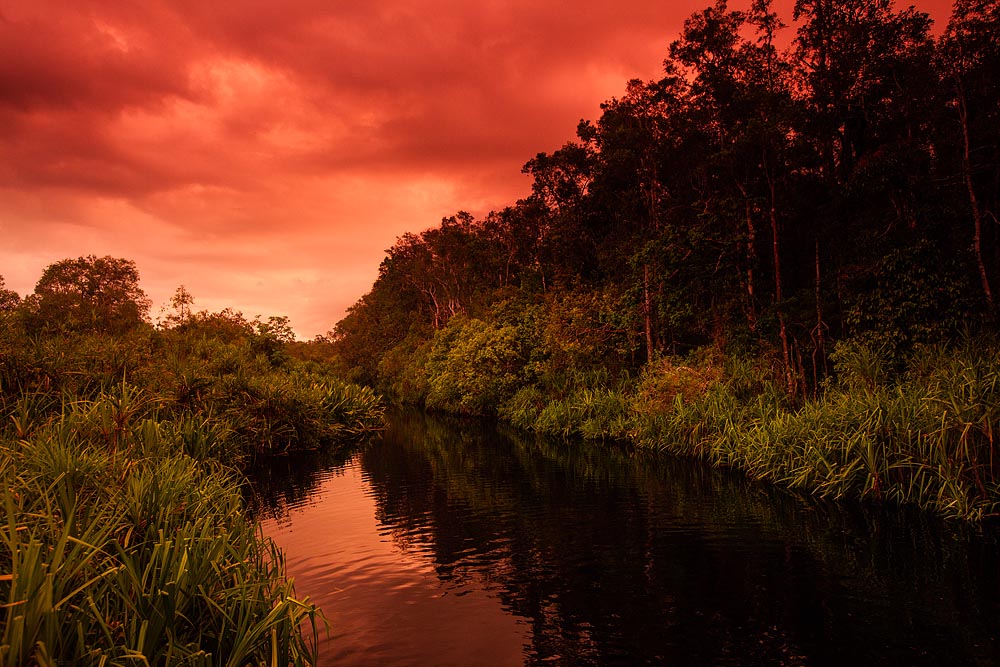
Nipah Mangrove
Wildlife & Culture Highlights
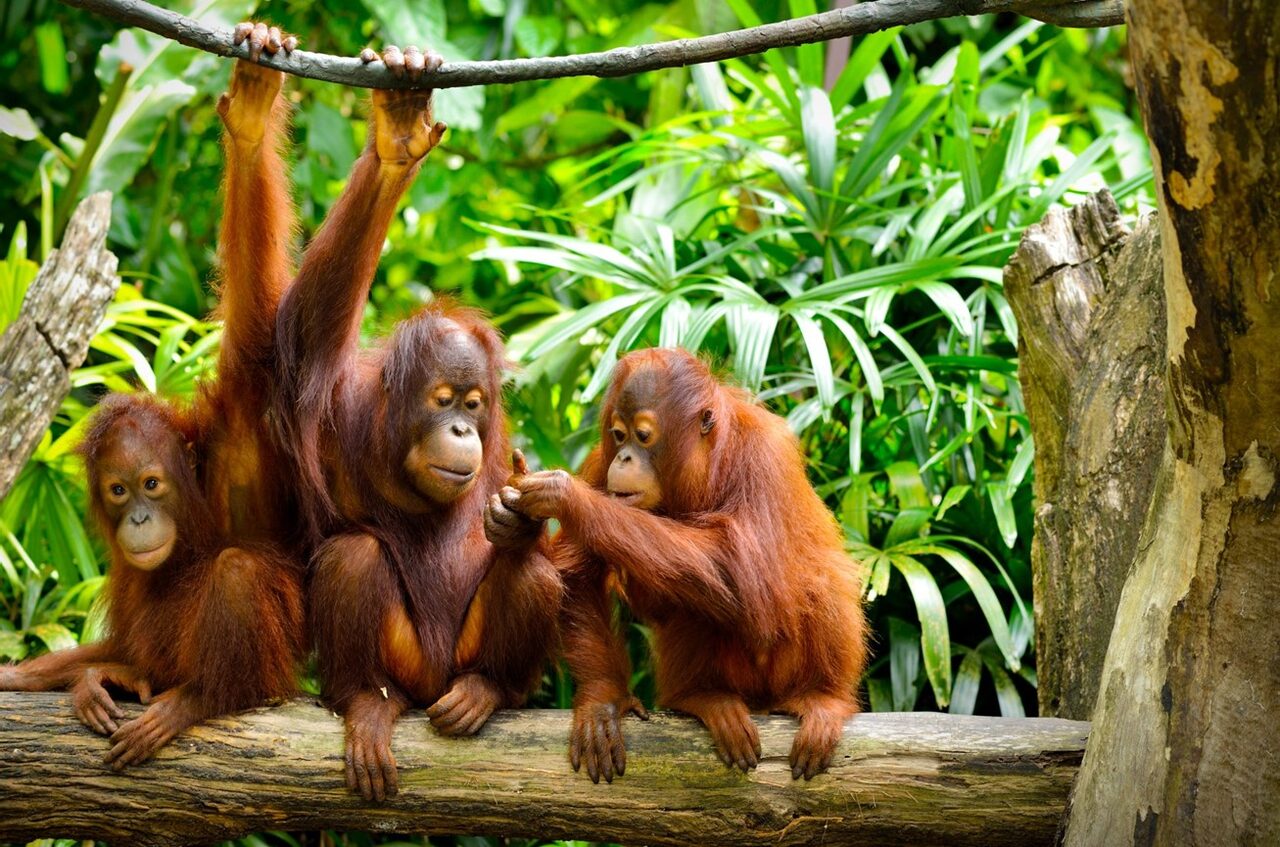
Bornean Orangutan
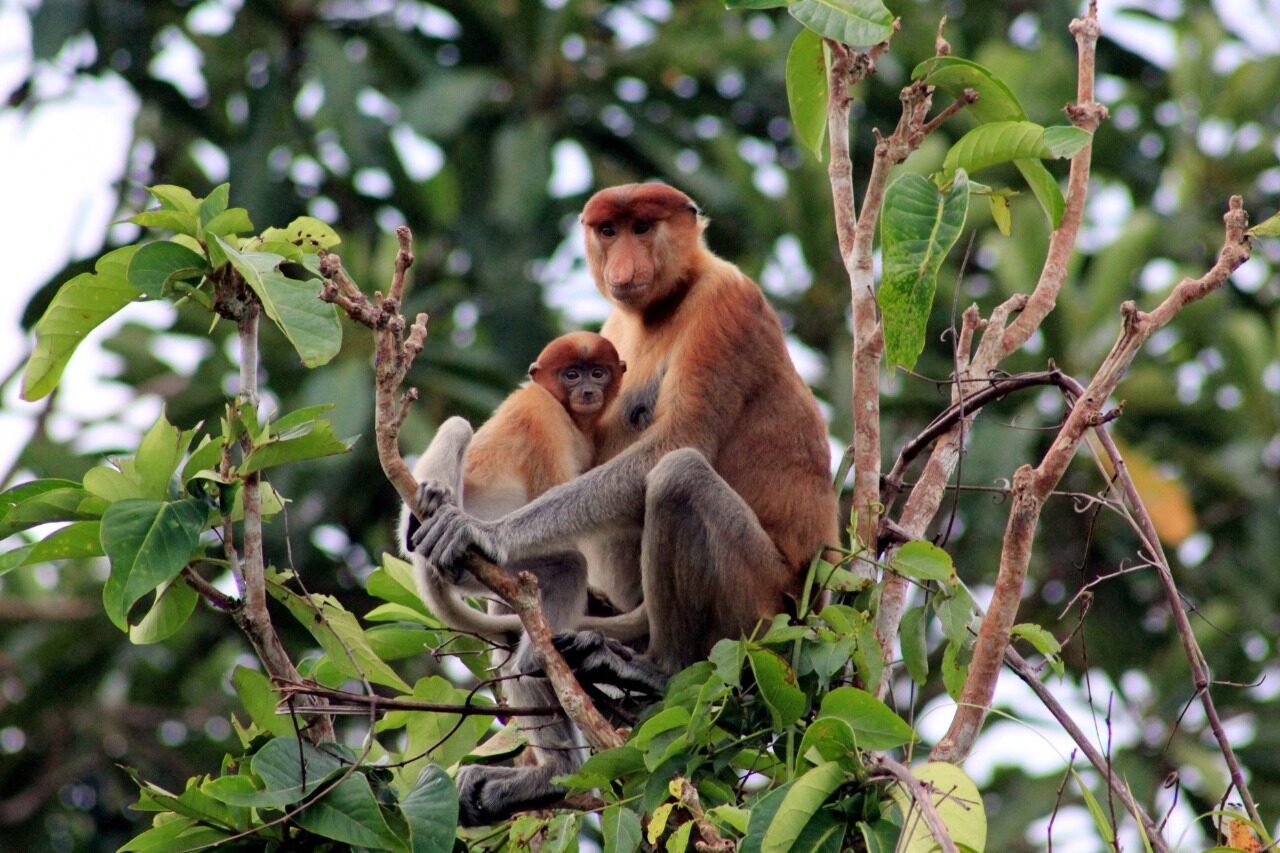
Proboscis Monkey (Bekantan)
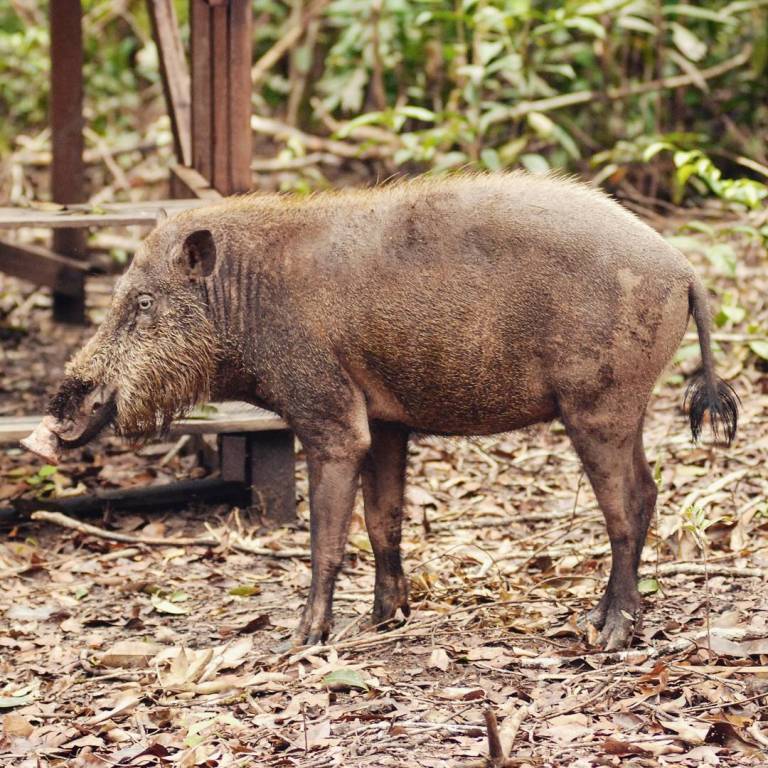
Bornean Bearded Pig
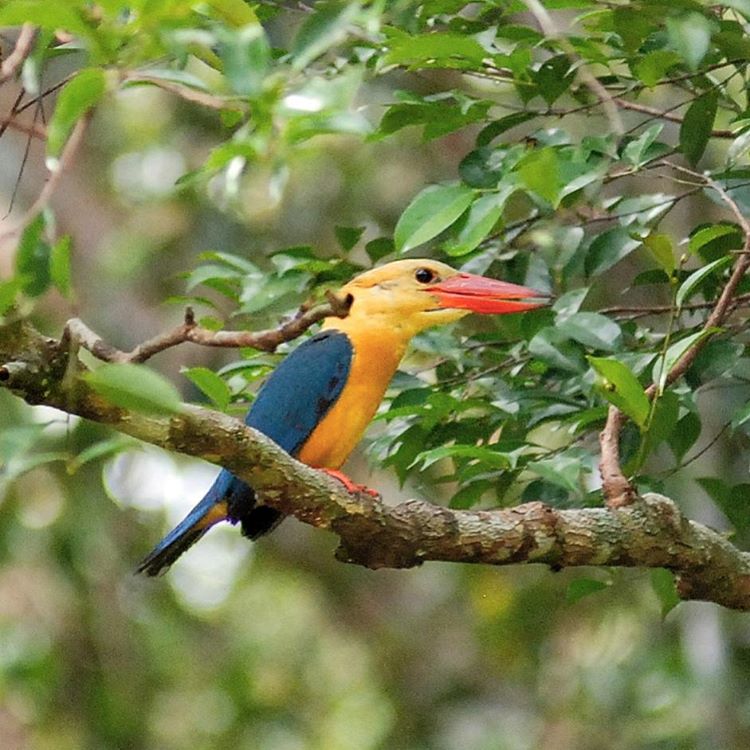
Stork-billed Kingfisher
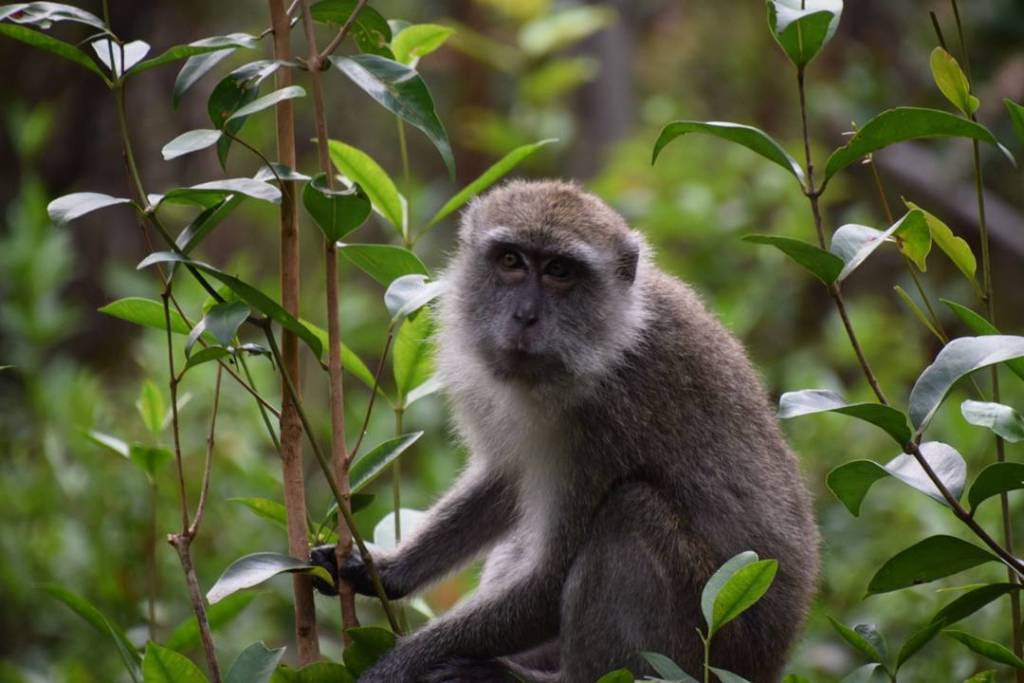
Long-tailed Macaque
Dayak Heritage
See It With Your Own Eyes
Join a klotok tour and experience these places and wildlife in person.